
European Governance and Politics Programme

Connecting minds, shaping futures

About the programme

The European Governance and Politics Programme (EGPP) is a research programme hosted by the Robert Schuman Centre for Advanced Studies (RSCAS) at the European University Institute (EUI) in Florence, Italy.

The EGPP conducts research on European politics and governance at the intersection between nation-states and the European Union. Theoretically and empirically, it analyses the broad fault lines in Europe, the cleavages and tensions within increasingly polarized European societies, and how these dynamics shape political conflict and policy responses — including the challenges posed by democratic backsliding.

Read more

News

The EUI and SNS launch a joint research centre on democratic backsliding

The European University Institute and the Scuola Normale Superiore in Florence have established BackDem, a new inter-university research centre dedicated to the comparative and interdisciplinary study of democratic erosion.
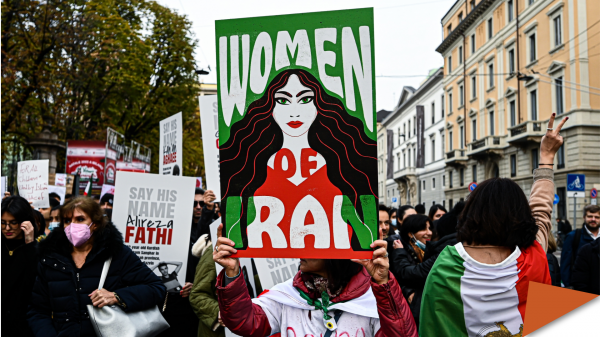
A picture of a protest in Milan, with people holding signs for the rights of women in Iran.

Discourse as diplomacy: from moral outrage to political pressure

How do women’s rights in Iran drive EU action without formal power? Research Fellow Abdollah Baei Lashaki explores how the European Parliament builds coercive pressure through discourse anchored in the experiences of Iranian women.

A Ukraine ceasefire on Russian terms is a top risk to the EU in 2025

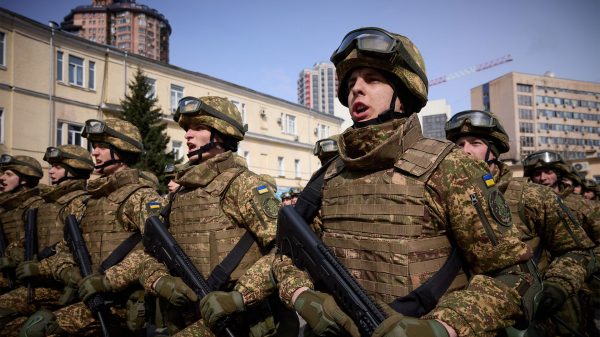
A new report, just released by the European University Institute (EUI) and the European Union Institute for Security Studies (EUISS) charts the present landscape of conflict-related risks to the European Union: ‘Global Risks to the EU’ is the first

Research areas

Europe in the World: international relations, security and world politics

Investigates the EU's role in global politics by examining its external relations, power dynamics, and strategic autonomy across national, regional, and global levels.

EU-Asia relations

Fosters mutual learning between Europe and the Indo-Pacific by advancing education, research, and policy dialogue on the international politics and economics of the Asia-Pacific.

Southeastern Europe: transitions, prospects, crossroads

Deepens understanding of Southeastern Europe’s political and social trajectories by focusing on democracy, regime transitions, conflict, and European integration.

Elections, political behavior and democracy

Investigates the dynamics of elections and political behavior across Europe, focusing on how multiple systemic crises drive affective polarization and democratic backsliding.

Cleavages and comparative politics

Provides a systematic comparative framework to analyze the socio-economic, territorial, and political cleavages driving the politicization of European integration.

EU enlargement and transatlantic relations

Coordinates comparative research and capacity building to translate lessons from past EU integration phases into actionable policy recommendations for Ukraine and the Western Balkans.

Events

Image Event ID 579289

Read more

22 October 2026

Conference

European governance and politics in times of global transformation

EGPP Annual Conference 2026

Read more

View all events

icon quote
European politics and governance cannot be understood in isolation from one another. The dynamics within European societies — the cleavages, the grievances, the competing visions of the future — are the raw material of politics. How policymakers respond to these challenges is the essence of governance. Polarization is the thread that connects the two: it emerges from societal tensions, shapes political conflict, and ultimately determines whether Europe can build the consensus needed to move forward. Academic research underpins this process, providing the evidence that enables effective policy responses.
icon quote

Lorenzo Cicchi

Robert Schuman Centre research fellow and EGPP co-director

Featured publication

Global Risks to the EU 2026

The first pan-European survey of expert perceptions on conflict-related threats to EU interests.

Veronica Anghel

Back to top